


Agreeing and Disagreeing Politely
In English, people often try to protect the other person’s feelings when they disagree or criticize something. At an intermediate level, students should learn how to sound polite, diplomatic, and respectful — especially in discussions, meetings, and everyday conversations.
How to Disagree Politely
Direct disagreement ("You're wrong") can sound rude or make the other person think you are attacking them.. So English speakers need to know how to disagree with polite language.
1. Show Understanding First
Agree - then disagree
This is sometimes called "Yes, but…"
Useful ways to agree – then disagree
- "I see your point, but…"
- "I understand what you mean, however…"
- "That's true to some extent, but…"
- "You may be right, although…"
Example
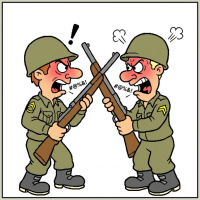
Friend: "Living in a big city is always better."
You: "I see your point, but I think smaller towns have some advantages."
2. Use Tentative Language
Don't make direct criticisms
Strong / Direct
- "That’s wrong."
- "You’re mistaken."
- "This is bad."
Softer / More Polite
- "I'm not sure about that."
- "I don't know if I agree."
- "Let's look at this again."
Example
Friend: "Online learning is useless."
You: "I'm not sure I agree. I think it can be very helpful for some people."
3. Ask Questions Instead
Questions encourage discussion.
Useful Expressions
- "Have you thought about…?"
- "Do you really think that would work?"
- "What about…?"
- "Is this really a good idea?"
Example
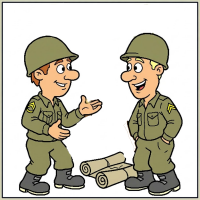
Friend: "We should spend all our money on this party."
You: "Have you thought about saving some instead?"
4. Agree with some parts
You can agree with part of the idea before giving your opinion.
Useful Expressions
- "You're right about…, but…"
- "That's a good point, however…"
- "I kind of agree, though…" (Colloquial)
Example
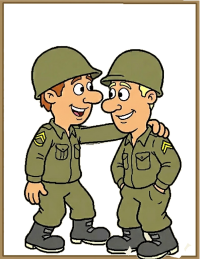
Friend: "Technology makes life easier."
You: "Well, it does in some ways, although I think it also creates new problems."
Giving Criticism Politely
Good criticism should be positive, not personal. You want to improve things, not start a fight.
1. Look at the Problem, Not the Person
Not
- "You're careless."
- "You're disorganized."
But
- "There seem to be some mistakes here."
- "We can arrange things better."
2. Use Softer Language
Words like a bit, rather, slightly, maybe, and perhaps make criticism sound more polite.
Examples
"The talk was a little too long."
"Maybe you could explain this more clearly."
"This section is slightly confusing."
"The music is rather loud."
3. Suggest How to Make it Better
Constructive criticism usually includes a solution.
Useful Expressions
- "It might be better if…"
- "Perhaps we could…"
- "Have you thought about…?"
- "One possible answer would be…"
Example
Teacher: "The essay is interesting, but it might be better if you made it shorter."
Useful Language
| Direct / Impolite | More Polite / Diplomatic |
| You're wrong | I see it differently. |
| That won't work. | I'm not sure that would work. |
| I hate this idea. | I'm not very keen on this idea. |
| This is bad. | This could be improved. |
| You made mistakes. | There are a few issues here. |
| No. | I'm afraid I can’t agree. |

